Why a custom solution is relevant
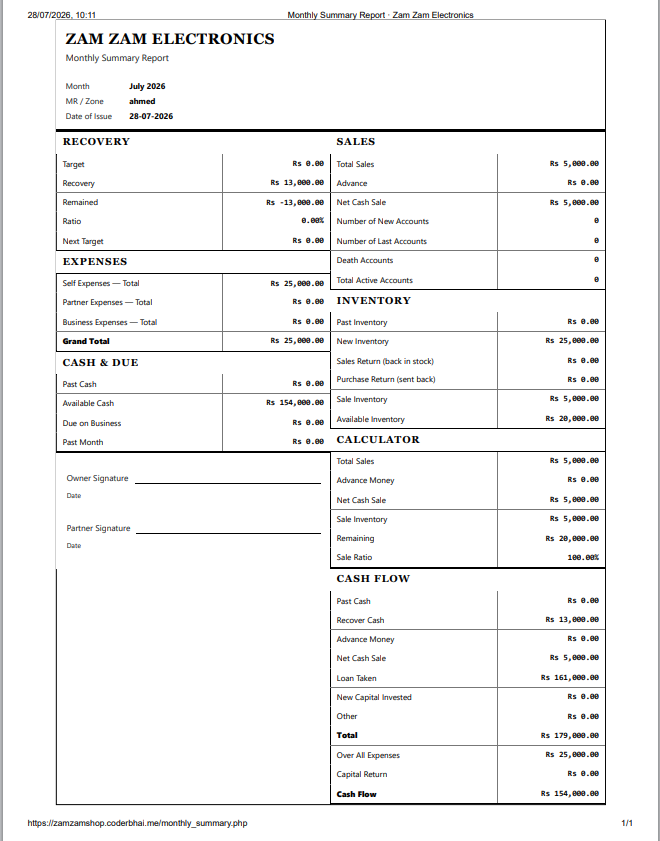
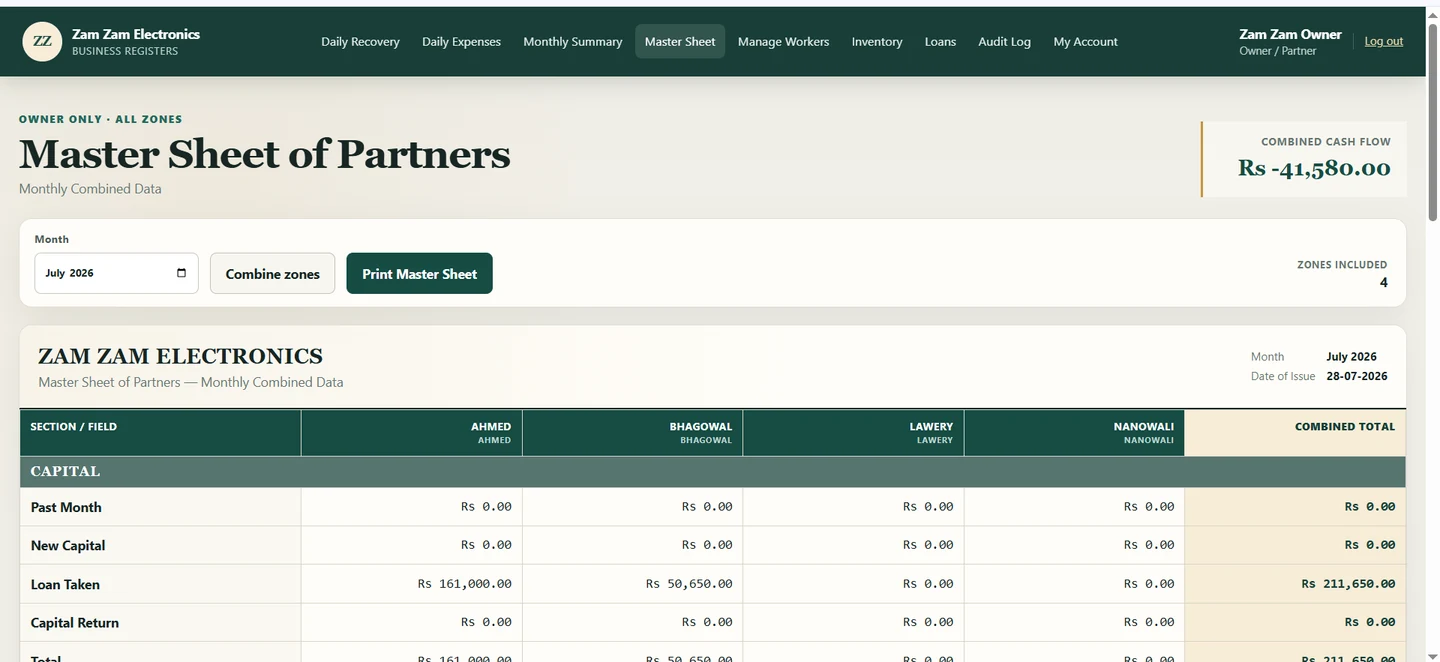
When product, stock, order and expense records live in separate files, day-to-day shop decisions depend on manual reconciliation. Staff may struggle to see whether an item is available, what an order needs next or how costs relate to recorded sales.
When those gaps persist, staff often create additional documents, messages or personal routines to keep work moving. That makes the process harder to review and increases dependence on individual memory. A custom system creates value only if it removes that fragmentation without introducing a more confusing interface.